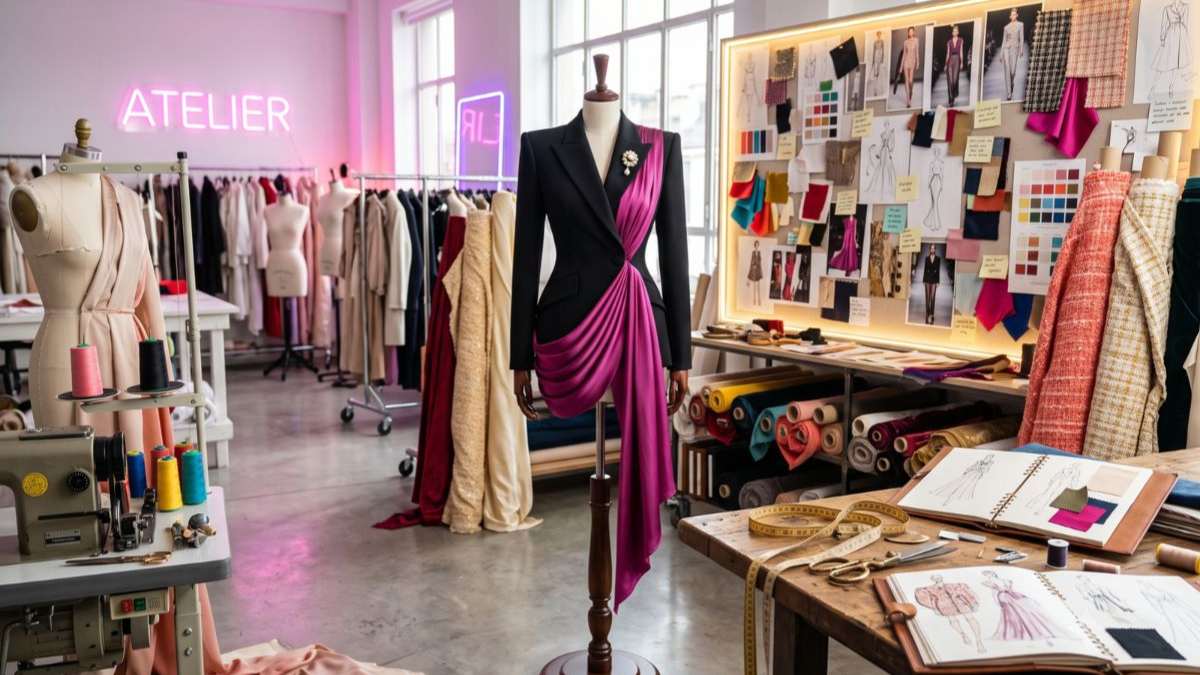
An in-depth exploration of the visionaries who moved beyond superficial aesthetics to revolutionize structural tailoring, textile engineering, and the enduring benchmarks of craftsmanship.
1. The Evolution of Sartorial Revolution
True fashion icons are not defined by fleeting seasonal popularity; they are defined by structural disruption. Before the early 20th century, garment quality was measured by excess: heavy ornamentation, rigid corsetry, and layers of restrictive padding that trapped the body in artificial postures. The standard was defined by confinement rather than movement.
The masters who permanently reshaped the fashion landscape replaced structural rigidity with ergonomic engineering. By rethinking grain lines, prioritizing the weight and drape of textiles, and mastering interior construction, they bridged the gap between haute couture and everyday functional luxury.
2. Pioneers of Silhouette, Form, and Construction
3. Comparative Matrix: Craftsmanship Standards Across Eras
| Fashion Icon | Structural Innovation | Material Mastery | Design Discipline |
|---|---|---|---|
| Coco Chanel | Weight-balanced box jackets & fluid suiting | Fine jersey & Scottish bouclé tweed | Functional Tailoring |
| Madeleine Vionnet | 45° bias-cut drape without closures | High-twist silk crepe romain & satin | Architectural Draping |
| Christian Dior | Internal bustiers & pleated peplums | Heavy wool taffeta, organza & faille | Haute Savoir-Faire |
| Alexander McQueen | Low-slung proportions & razor lapels | Structured jacquards, fine wools & leather | Bespoke Avant-Garde |
4. The Pillars That Separate Quality From Fleeting Hype
- Full-Floating Canvassing: High-end tailoring uses hand-stitched horsehair and wool canvas inside jacket chests that mold to the wearer’s anatomy over time, unlike cheap glued fusible interfacings.
- Grainline Discipline: Garments cut strictly on the true grain or genuine bias retain their symmetry and avoid the unsightly twisting common in mass-produced fast fashion.
- Generous Inner Seam Allowances: Heritage pieces leave fabric reserves inside the seams, allowing items to be altered, tailored, and handed down across generations.