
Why Picturing Success Can Backfire, and the 4-Step WOOP Method That Works Instead
Daydreaming about the finish line feels like progress. More than 30 years of research by Gabriele Oettingen suggests it can quietly stand in for the real thing.

 Brooke Hilland
Senior Content Strategist
Web Content Manager
Senior Editor
Senior Content Editor
Senior Content Manager
Senior Content Editor
Her editor
Valentino Adkins, Senior Content Manager
Contact
Her editor
Valentino Adkins, Senior Content Manager
Contact
Her editor
Brooke Hilland, Senior Content Editor
Contact
Her editor
Brooke Hilland, Senior Content Editor
Contact
On the editors' desk
Proofreads and edits stories by Ashley Hernandez and Skyler Horn
Contact
On the editors' desk
Fact-checks and edits stories by Cheyenne Nash and Madisyn Stephenson
Contact
Every Something Navy story is edited and checked against its original sources.
Daydreaming about the finish line feels like progress. More than 30 years of research by Gabriele Oettingen suggests it can quietly stand in for the real thing.

Repeating “I am lovable” made people with low self-esteem feel worse in one well-known study. A quieter, values-based exercise has far better evidence.

The best evidence points to a real but small boost, mostly for students who are struggling. Here is each claim, checked.
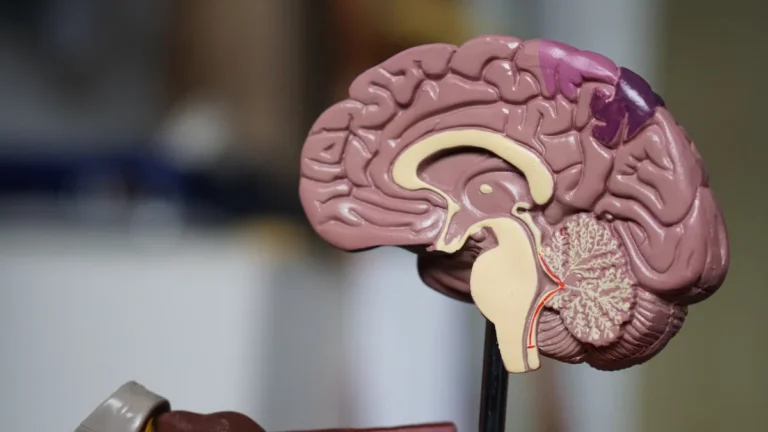
Yet 91% of UK teachers in one survey thought hemisphere dominance helps explain differences between pupils. Here is what the science says.

It began with 36 students and 10 minutes of piano. It ended with free CDs for newborns. Here is what the evidence actually supports.

From the hallway to the desk, what researchers have actually found about clutter, cortisol, snacking and sleep, and where the evidence runs thin.

Researchers have paid people to log off, cut them to 10 minutes a day and switched them off before an election. Here is what each study found.

Fewer close friends and less time together: decades of survey data from the US and Britain reveal how adult friendship is changing, and how to push back.

A list of questions from a 1997 psychology study became a worldwide dating phenomenon. Here is what the research actually found about how closeness is built.

Your memory of a holiday, a hospital visit or a relationship is shaped by two moments. Here is how the peak-end rule works, where it comes from and where it breaks down.