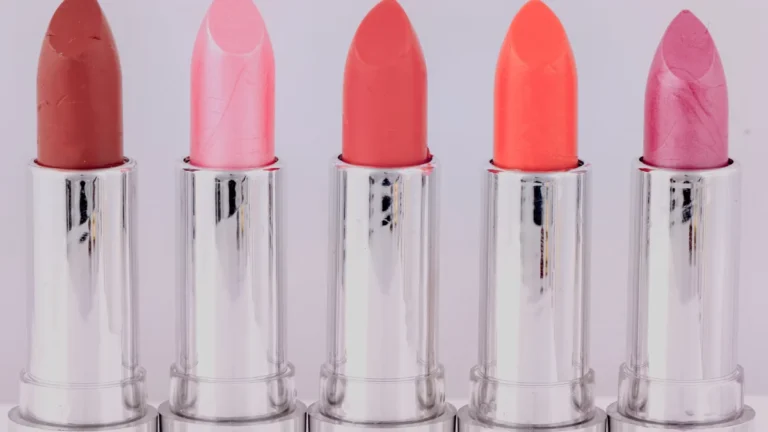
Money’s Tight and You Still Bought the Lipstick. Psychologists Have a Theory
Lipstick sales are said to rise in hard times. The data is messier, but the urge is real, and there is a smart way to indulge it.

Style, home and the small rituals that shape how we live.
Lipstick sales are said to rise in hard times. The data is messier, but the urge is real, and there is a smart way to indulge it.
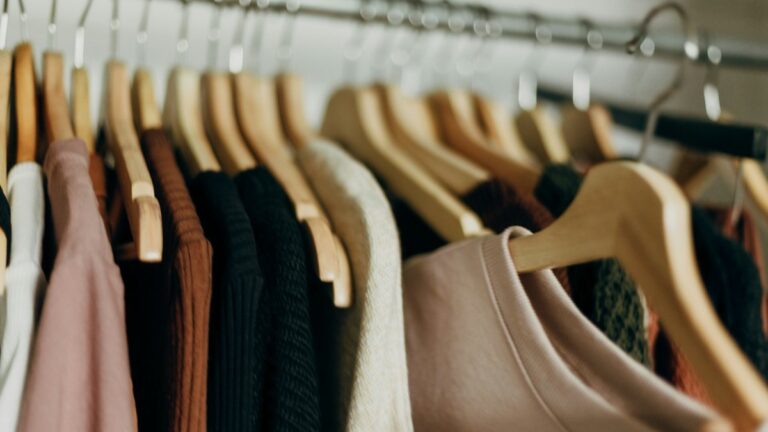
UK wardrobes hold about £30 billion of clothes unworn for a year. Six mental habits help explain it, and a short audit tackles most of them.
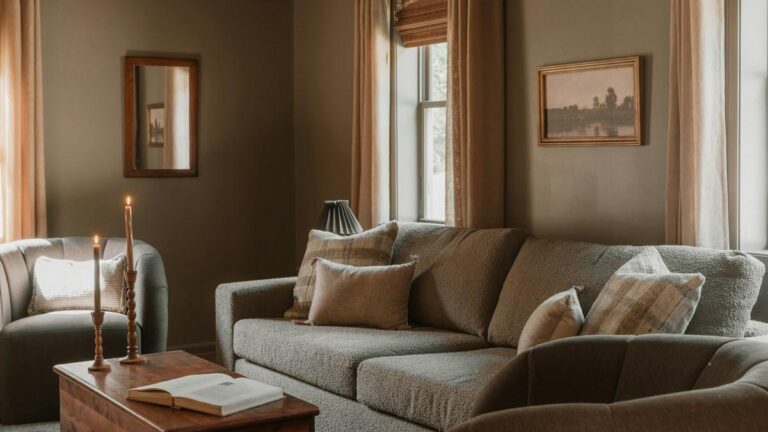
Scientists asked 798 people to rate 200 interiors. One quality, hominess, explains why some rooms hold you and others don’t.

A survey of 4,598 people in 30 nations shows how widely we share colour feelings, and where the dopamine dressing story outruns the science.
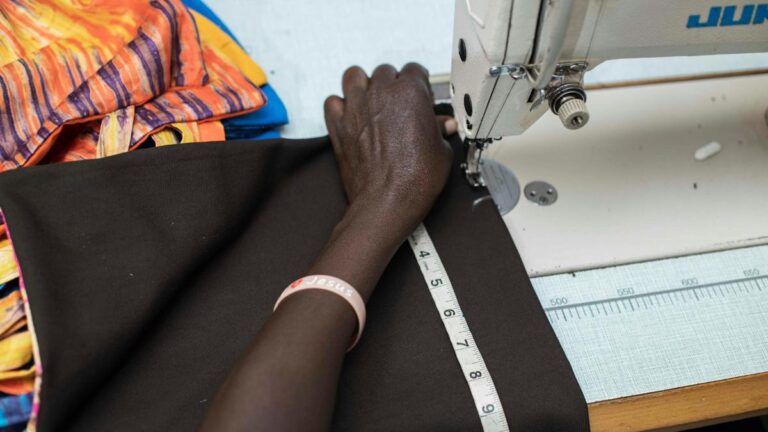
Fairtrade, GOTS, Fair Wear and B Corp promise very different things, and since September vague green claims are banned in the EU.
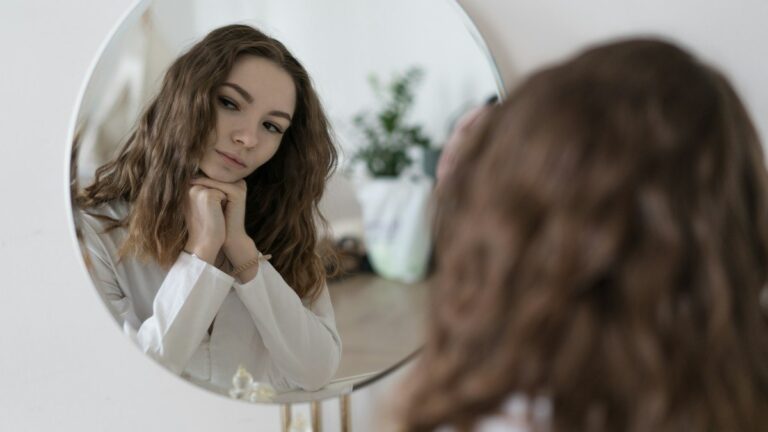
A review of 40 studies backs the idea. The surprise is at home: comfy clothes beat office wear for remote workers’ engagement.
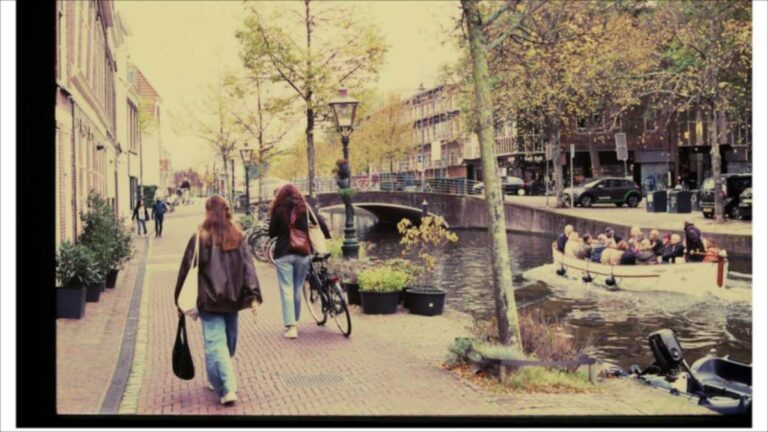
Poorer city dwellers living within 1 km of the sea had about 40% lower odds of mental distress. Here is what water seems to do to us.
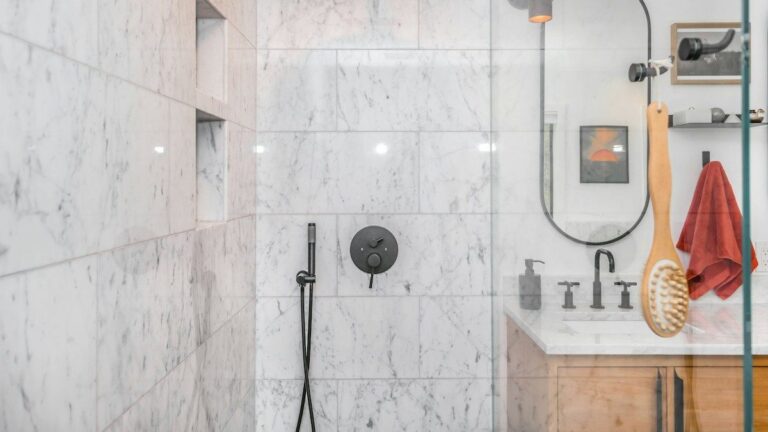
Hot water is not the secret. A task that is just engaging enough is, and you can build one into any day without running the taps.
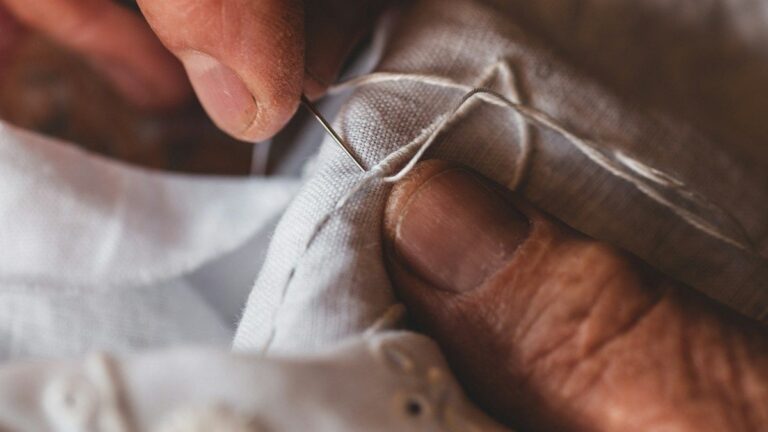
Keep a garment nine months longer and its carbon, water and waste footprints fall by about a fifth to a third. Your needle is a climate tool.
Tweed, indigo, kente, ikat and khadi survive partly because we pay extra for origin. Here’s the psychology, and how to buy the real thing.