Are You a “Visual Learner”? Why Nearly 9 in 10 Teachers Believe a Myth That Keeps Failing
Most teachers still believe people learn best in their own “style”. Tests of that idea keep coming up short, while plainer study habits quietly win.

Habits, confidence, resilience and building a life that fits.
Most teachers still believe people learn best in their own “style”. Tests of that idea keep coming up short, while plainer study habits quietly win.
One large trial found fewer sick days but no fewer illnesses. A 2025 review found a short dip in stress. Here is what cold water can and cannot claim.

Daydreaming about the finish line feels like progress. More than 30 years of research by Gabriele Oettingen suggests it can quietly stand in for the real thing.

Repeating “I am lovable” made people with low self-esteem feel worse in one well-known study. A quieter, values-based exercise has far better evidence.
The best evidence points to a real but small boost, mostly for students who are struggling. Here is each claim, checked.
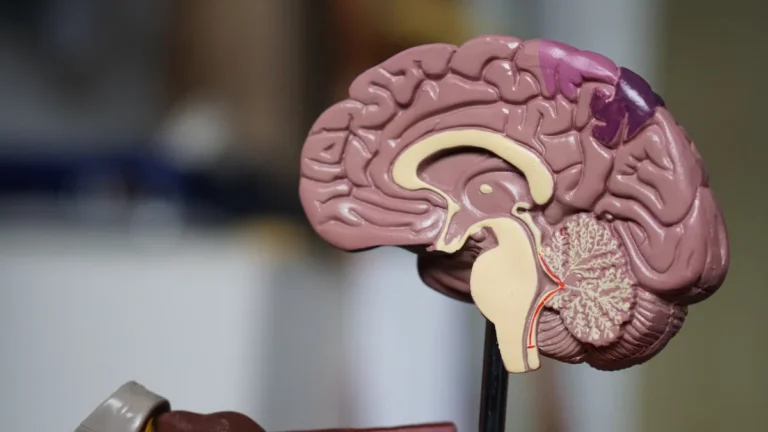
Yet 91% of UK teachers in one survey thought hemisphere dominance helps explain differences between pupils. Here is what the science says.
It began with 36 students and 10 minutes of piano. It ended with free CDs for newborns. Here is what the evidence actually supports.
A later trial with 6,792 gym members found a smaller boost, about 10%. Here’s how to build bundles that still work for you.
In a Berkeley experiment, a few kind words after a failed test led to 50% more study time. Five myths about self-compassion, tested.

In one trial, owls moved their sleep two hours earlier in three weeks without losing any sleep, and felt less stressed.