
Your Silent Phone on the Desk Might Be Draining Your Focus. The Evidence Is Messier
A famous 2017 study said a phone in sight dulls the mind. Two meta-analyses and England’s new school phone rules put that claim on trial.

 Cheyenne Nash
Senior Content Strategist
Web Content Manager
Senior Editor
Senior Content Editor
Senior Content Manager
Senior Content Editor
Her editor
Valentino Adkins, Senior Content Manager
Contact
Her editor
Valentino Adkins, Senior Content Manager
Contact
Her editor
Brooke Hilland, Senior Content Editor
Contact
Her editor
Brooke Hilland, Senior Content Editor
Contact
On the editors' desk
Proofreads and edits stories by Ashley Hernandez and Skyler Horn
Contact
On the editors' desk
Fact-checks and edits stories by Cheyenne Nash and Madisyn Stephenson
Contact
Every Something Navy story is edited and checked against its original sources.
A famous 2017 study said a phone in sight dulls the mind. Two meta-analyses and England’s new school phone rules put that claim on trial.
Up to 96% of stressed junior doctors feel buzzes that never happened. The culprits are expectation, worry and pressure, and most can be quietened.
Researchers found 16.5% of adults have a news habit that looks like a problem. The fix isn’t deleting every app.
In one 1978 study, lottery winners enjoyed breakfast and compliments less than people who never won. The fix is cheaper than you think.

Gym visits jump 47% when a new term starts. Newer studies show when that reset works, when it fizzles, and how to make your own.
Students guessed 34 days for their thesis and took 56. The fix isn’t more willpower: it’s a habit borrowed from megaproject planners.

A five-minute list, written at the right moment, helped people fall asleep about ten minutes faster in one sleep-lab study.

Two rival scientists teamed up in 2023 and found money keeps lifting most people’s moods, with one telling exception.
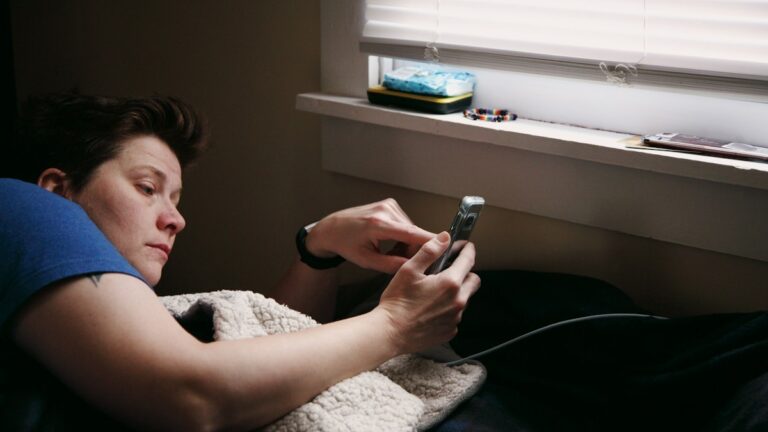
Night Shift, amber glasses, screen curfews: we rated five popular claims about phones and sleep against the research. The light is rarely the real problem.

Follow an ordinary workday through 25 years of research on task switching, phones and the rare “supertaskers” who seem to break the rules.