
Your Commute Costs More Happiness Than You Think, and 20 Minutes Can Rival a 19% Pay Cut
Economists call it the commuting paradox: we accept long journeys for better pay or homes, then quietly pay for them in mood, free time and job satisfaction.

Work, technology, money habits and the way we live now.
Economists call it the commuting paradox: we accept long journeys for better pay or homes, then quietly pay for them in mood, free time and job satisfaction.

Bosses say the office is where real work happens. Staff say they get more done at home. The best experiments suggest both camps are only half right.

One in six people worldwide feel lonely, says the WHO. But is loneliness actually rising, and where did the 15-cigarettes line come from? We read the data.

NASA pilots, sleepy young Australians and hundreds of thousands of UK Biobank volunteers have all helped answer one question: how long should a nap actually be?

Burnout down, sick days down, most firms kept it. But who signed up, who was measured, and what does it mean for your Friday?

One study logged office workers opening email 77 times a day. The habit that helps depends less on willpower than on your team’s rules.
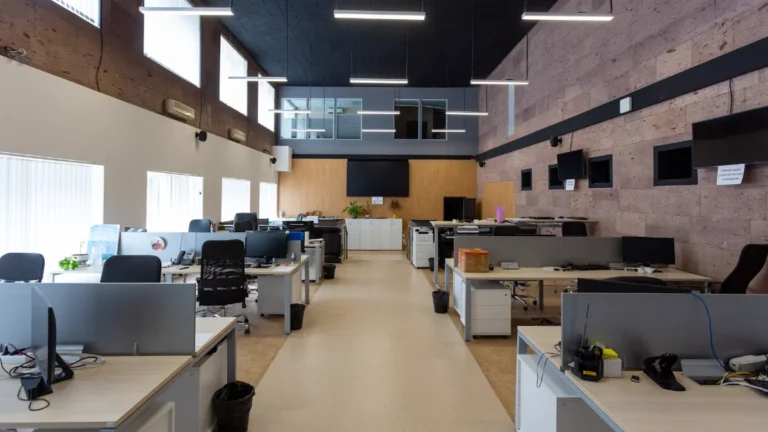
When one big firm tore down its walls, staff sent 56% more emails. If you hot-desk a few days a week, that matters more now.

Across 355,358 teenagers, tech use was linked to wellbeing about as much as eating potatoes. The bigger story is what, when and who.

In one experiment, people who swapped an email for a call felt closer to an old friend, and no more awkward. Here’s how to pick up.

A famous 2017 study said a phone in sight dulls the mind. Two meta-analyses and England’s new school phone rules put that claim on trial.