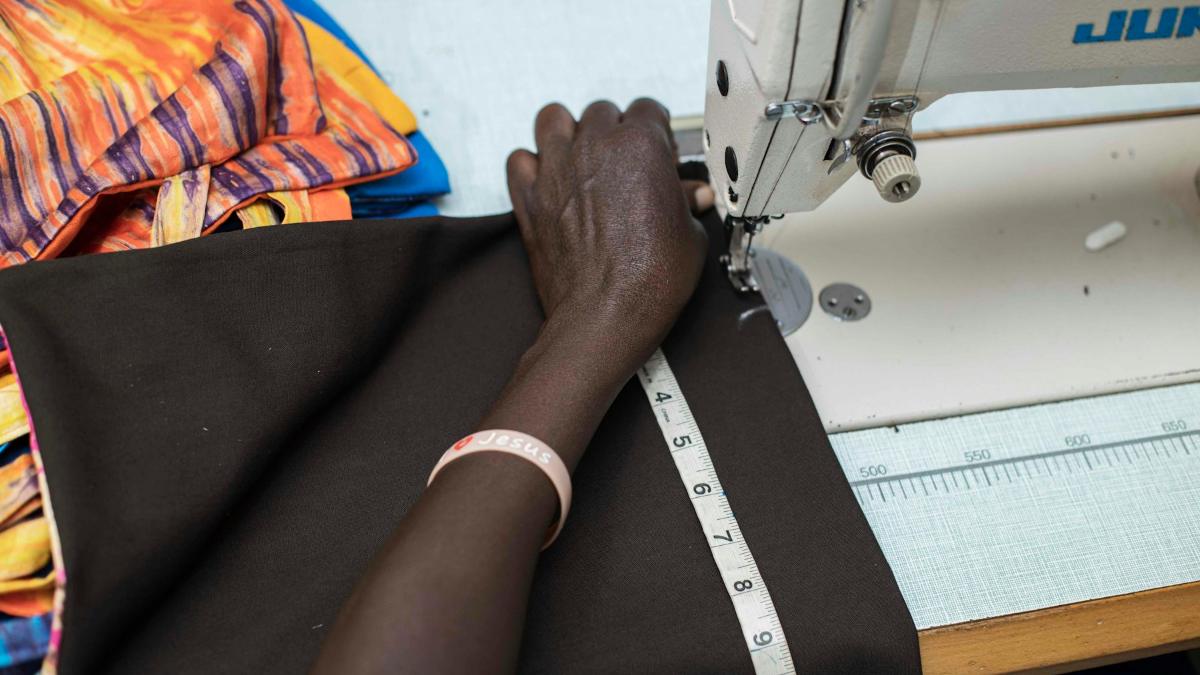
Most of us have stood in a shop holding two versions of the same plain T-shirt: one cheap, one three times the price with a small label about fair wages or organic cotton. It is hard to know what the extra money actually buys. Is it a better life for the person who made it, a smaller footprint, or just a nicer story?
The honest answer is that it depends on the label, and on what you do with the shirt after you buy it. Here is what the research and the certification schemes actually say.
Why people started asking who made their clothes
For a lot of shoppers, the turning point was 24 April 2013. That morning the Rana Plaza building outside Dhaka in Bangladesh, which housed several garment factories, collapsed. More than 1,100 people were killed and around 2,500 injured, according to the Council on Foreign Relations, making it the deadliest disaster in the history of the clothing industry.
Labels from well-known Western brands were found in the rubble. In the months that followed, retailers, unions and the International Labour Organization set up the Bangladesh Accord on Fire and Building Safety, which brought independent safety inspections to the factories supplying the brands that signed it. The disaster also led to Fashion Revolution, the campaign behind the question many shoppers now ask: who made my clothes?


What the environmental numbers show
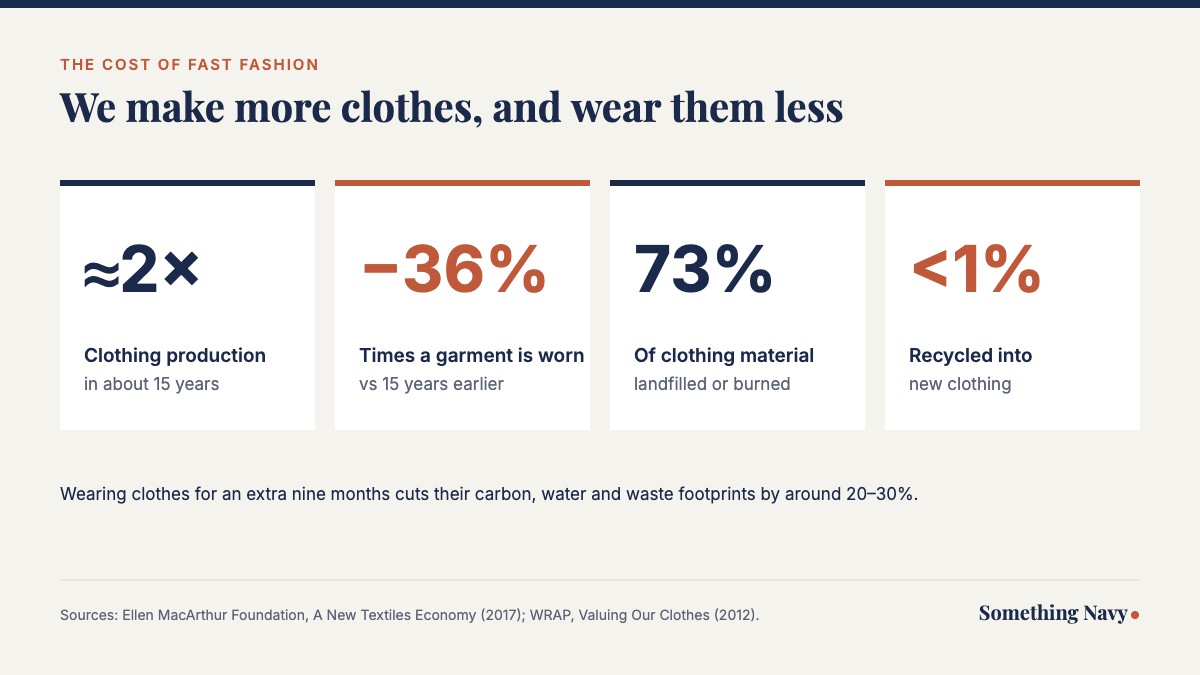
The other half of the story is waste. In 2017 the Ellen MacArthur Foundation published one of the most widely cited reports on the subject, A New Textiles Economy. Its findings are blunt. Clothing production roughly doubled over the previous 15 years, while the number of times a garment is worn before it is thrown away fell by 36%. Most of the material ends up landfilled or burned, and less than 1% of the material used to make clothing is recycled into new clothing.
The report puts a price on that as well: it estimates that more than $500 billion of value is lost every year because clothes are underused and rarely recycled.
What a fair-trade label actually guarantees
“Ethical” on its own is a marketing word, and anyone can use it. Certification marks are more specific, because an independent body checks them. The best known is Fairtrade, which runs two separate schemes for clothing, and it is worth knowing the difference.
- The Fairtrade Cotton Mark is about the farm. According to Fairtrade, cotton farmers receive a guaranteed Minimum Price, plus a Fairtrade Premium that their organisations invest in community or business projects. It says nothing on its own about the factory where the garment was sewn.
- The Fairtrade Textile Standard goes further down the supply chain. It covers the factories too, including a commitment to move workers to a living wage within six years, safety rules, worker committees and independent third-party audits.
So a T-shirt with a Fairtrade cotton label helps the people who grew the cotton. A garment made under the Textile Standard also says something about the people who cut and sewed it. Other schemes, such as organic textile certifications, focus mainly on how the fibre is grown and processed. Reading which one is on the label tells you far more than the word “sustainable” ever will.
The cheapest ethical choice is the one you already own
Certified clothing can help, but the research points to something less glamorous as the biggest lever: keeping clothes for longer. The UK waste charity WRAP found in its Valuing Our Clothes report that extending the active life of clothes by just nine months would cut their carbon, water and waste footprints by around 20 to 30% each.
That changes the maths on the expensive T-shirt. A well-made piece you wear for years can do more good than several cheap ones, even certified ones, that are worn a handful of times. It also explains why the Ellen MacArthur Foundation focuses so heavily on how often clothes are worn, not just on how they are made.
Buying less is, in the end, a habit like any other. If you are trying to change how you shop, our piece on how long it really takes to form a habit explains why it takes longer than the popular “21 days”, and our article on the fresh start effect looks at why so many of us decide to change on a Monday.
A practical way to shop
- Check for a named certification, not just words like “eco” or “conscious”, and look up what that scheme actually covers.
- Ask how often you will wear it. A rough rule many sustainable-fashion campaigners use is to buy only what you can picture wearing many times.
- Look after what you have. Washing less often, at lower temperatures, and repairing small damage all extend a garment’s life.
- Pass clothes on. Selling, swapping or donating keeps wearable clothes in use instead of in landfill.
Updated 5 October 2026: We rewrote this article with current research on clothing waste and garment-worker safety, added a data graphic and listed our sources. First published 30 October 2025.
Frequently asked questions
Fair-trade fashion is clothing made under a certification scheme that sets standards for how workers and farmers are paid and treated. Fairtrade, for example, guarantees cotton farmers a minimum price and an extra premium for community projects.
It can be, especially when combined with organic cotton, but the biggest environmental gain comes from wearing clothes for longer. WRAP found that nine extra months of use cuts a garment’s carbon, water and waste footprints by around 20 to 30%.
On 24 April 2013 the Rana Plaza building in Bangladesh, which housed garment factories, collapsed, killing more than 1,100 people. It led to the Bangladesh Accord on Fire and Building Safety.
According to the Ellen MacArthur Foundation, less than 1% of the material used to produce clothing is recycled into new clothing.
More in our Style & Living section.
Sources
- Ellen MacArthur Foundation (2017). A New Textiles Economy: Redesigning Fashion’s Future. Summary of findings (PDF)
- WRAP (2012). Valuing Our Clothes: The True Cost of How We Design, Use and Dispose of Clothing in the UK. Report (PDF)
- Council on Foreign Relations. A guide to the Rana Plaza tragedy and its implications in Bangladesh. CFR
- Fairtrade International. Textiles and fashion. Fairtrade
- Fashion Revolution. fashionrevolution.org
How we reported this. We went back to the original research for this story, 5 sources in all, listed above, and checked every figure against them. If you think we have got something wrong, tell us and we will look at it. Read more about how we work.
Cover photo: Ugandan Crafts on Unsplash. Charts and graphics: Something Navy.