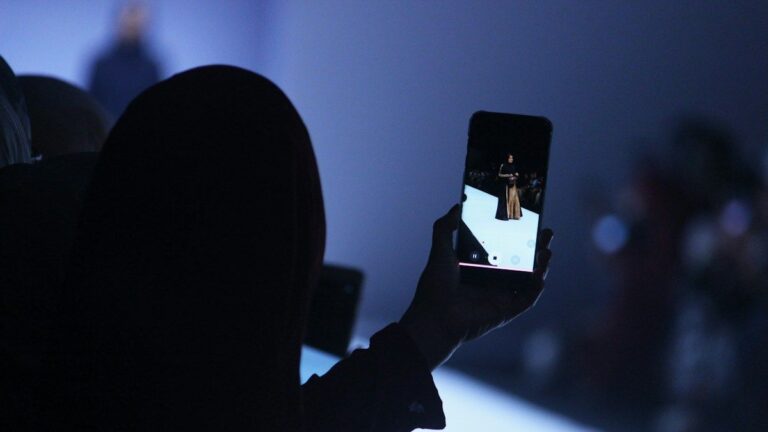
You Trust That Fashion Creator Like a Friend. Psychologists Predicted It in 1956
Almost half of US and UK shoppers say influencer posts lead to a purchase at least monthly. Here is what that trust is really built on.

Almost half of US and UK shoppers say influencer posts lead to a purchase at least monthly. Here is what that trust is really built on.
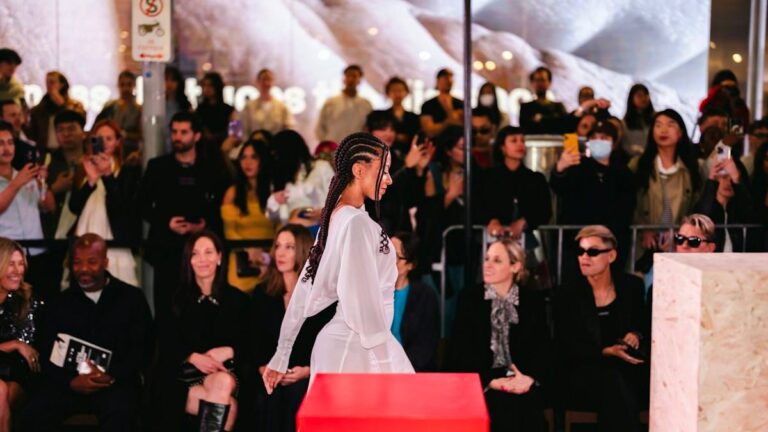
A Chanel dress Vogue compared to a Ford, a Diana jumper that sold for $1.1m: the psychology of how one person’s choice reaches millions.
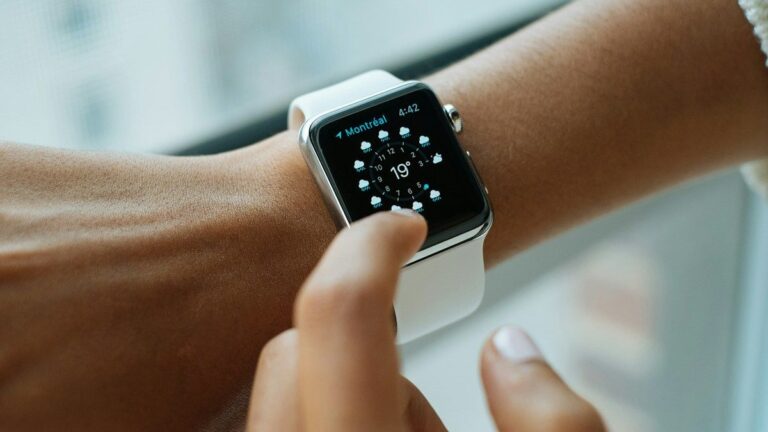
Online shoppers send back almost one in five purchases, and most fitness gadgets end up in a drawer. The reasons are more human than technical.
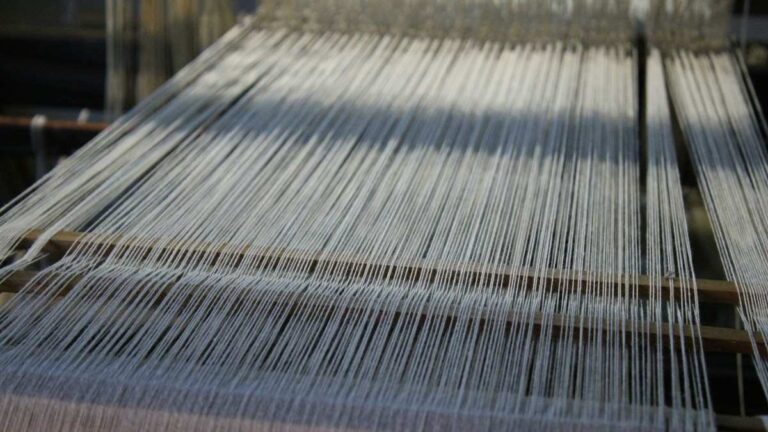
People valued their own clumsy origami nearly five times more than strangers did. That bias explains a lot about handmade revival.
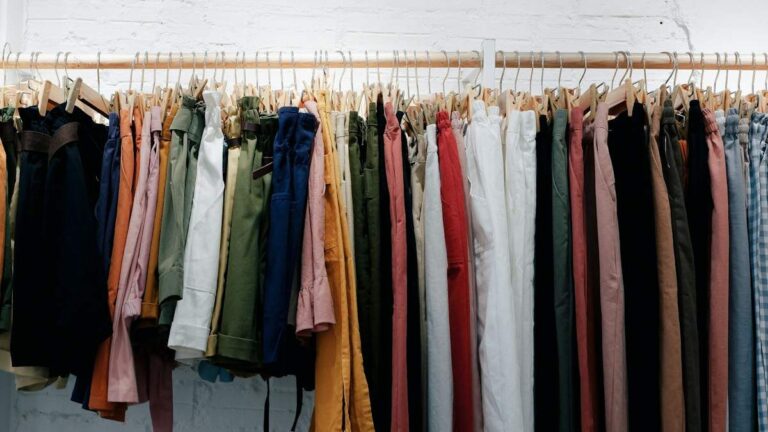
A 1918 trade paper told parents pink suited boys. Today about half of Gen Z shoppers buy across the gender line. Here is what changed.
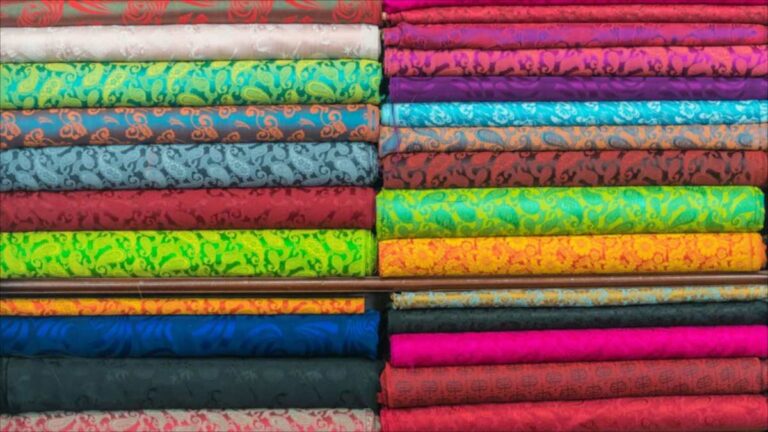
A study of 992 colour pairings, plus 7 practical rules, shows how to wear stripes, florals and knits together without looking lost.
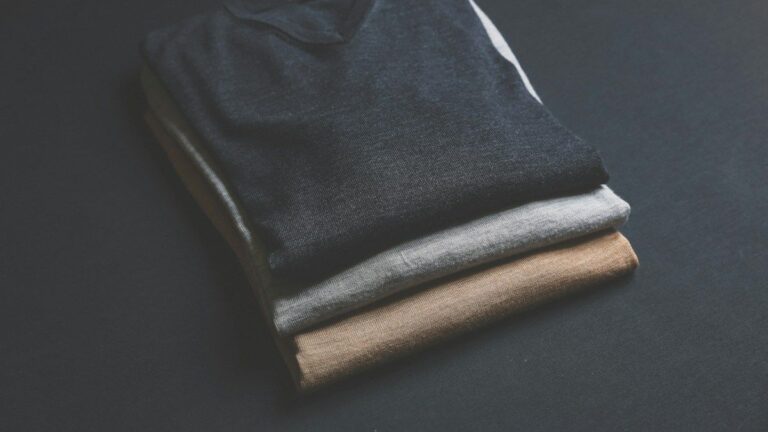
Clothes are worn 36% less than 15 years ago. Here is how a few well-fitting basics cut the cost of every wear, and the morning faff.
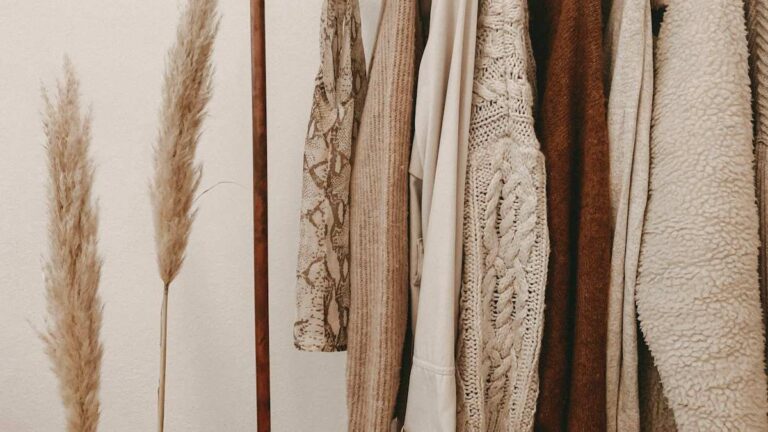
It began in a 1970s London boutique. Seven steps and one 30-day trial turn it from a Pinterest board into a habit you keep.

Spotify data puts the age your taste sets at 13 or 14, and your parents’ records may have sneaked into the same file.
Not knowing if he liked them made women more attracted in one famous study. Fifty years of other research adds a catch worth knowing.