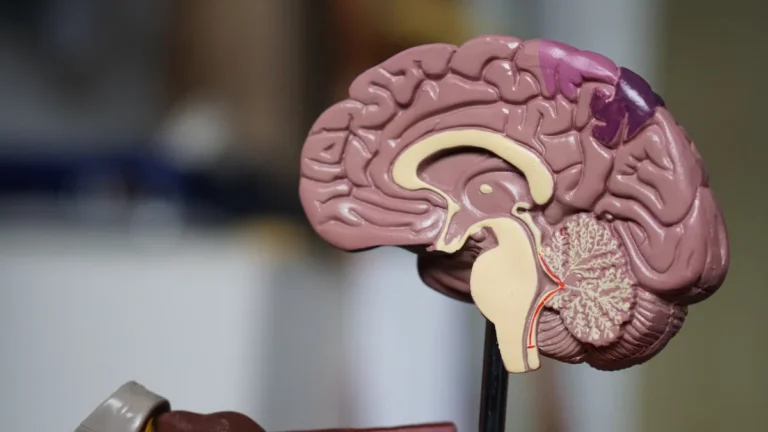
Left-Brained or Right-Brained? Scans of 1,011 Brains Found No Such Thing
Yet 91% of UK teachers in one survey thought hemisphere dominance helps explain differences between pupils. Here is what the science says.

Yet 91% of UK teachers in one survey thought hemisphere dominance helps explain differences between pupils. Here is what the science says.

In 1688 a Basel dissertation called it an illness. Today’s labs find nostalgia eases loneliness and can make a cold room feel warmer.
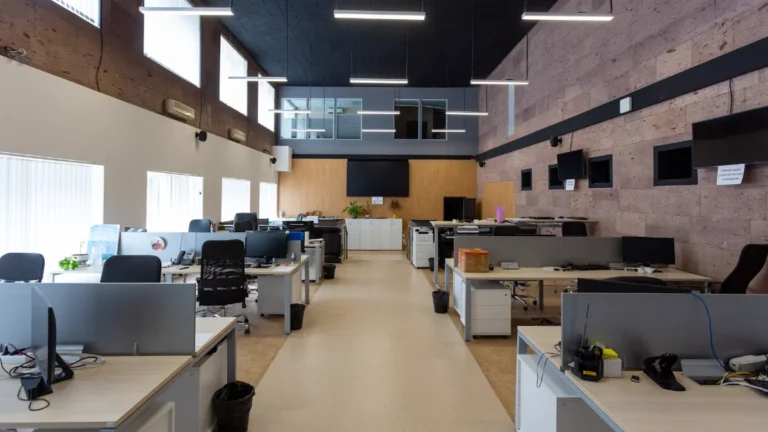
When one big firm tore down its walls, staff sent 56% more emails. If you hot-desk a few days a week, that matters more now.
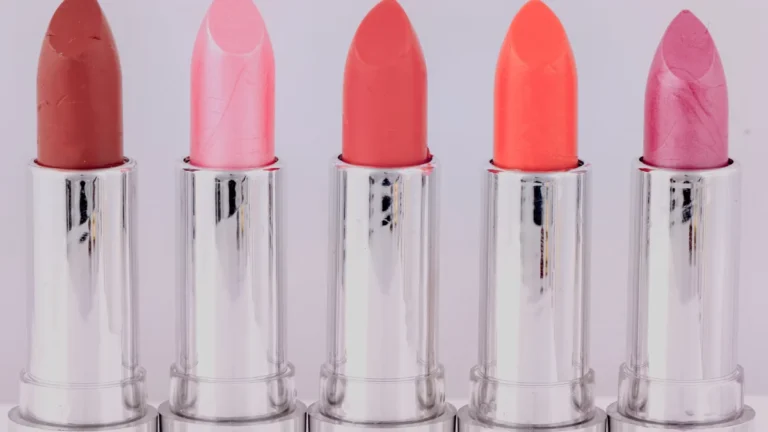
Lipstick sales are said to rise in hard times. The data is messier, but the urge is real, and there is a smart way to indulge it.
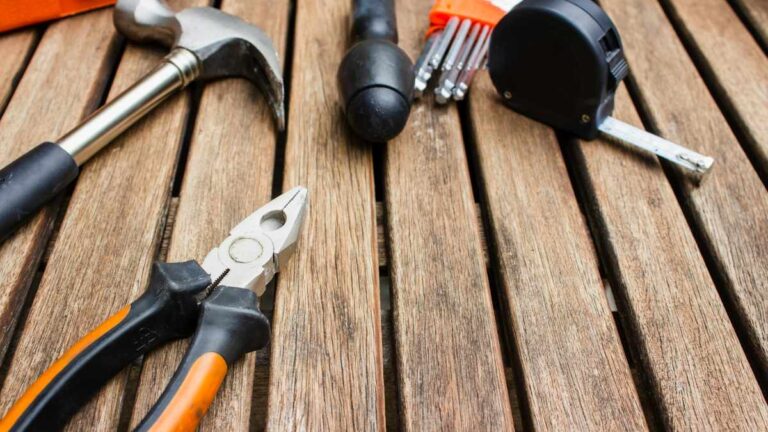
People paid 63% more for a plain box they had built themselves. Stop two steps short of finishing, and that premium collapses.
It began with 36 students and 10 minutes of piano. It ended with free CDs for newborns. Here is what the evidence actually supports.
Across 355,358 teenagers, tech use was linked to wellbeing about as much as eating potatoes. The bigger story is what, when and who.

In one study, owning the mistake beat every other part of an apology. Another ingredient is missing from most apologies researchers code.
UK wardrobes hold about £30 billion of clothes unworn for a year. Six mental habits help explain it, and a short audit tackles most of them.

Around two in three people have felt it. Lab studies using virtual towns and brain scans suggest déjà vu is a memory check, not a glitch in time.