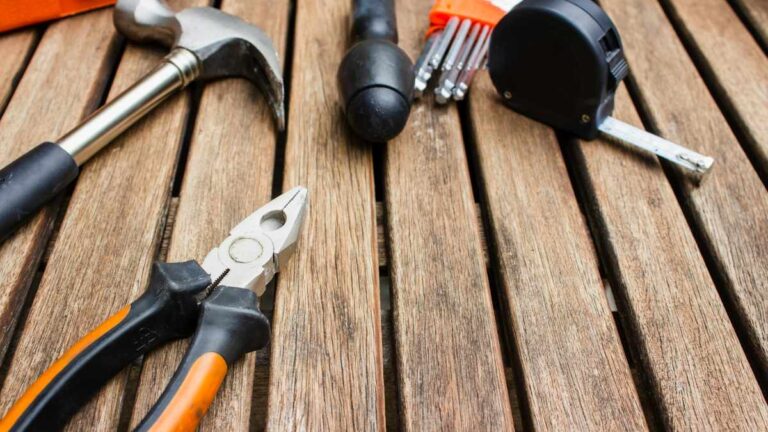
The Wobbly Shelf You Built Feels Priceless. Psychologists Call It the IKEA Effect
People paid 63% more for a plain box they had built themselves. Stop two steps short of finishing, and that premium collapses.

How people think, feel and behave, explained through research and real life.
People paid 63% more for a plain box they had built themselves. Stop two steps short of finishing, and that premium collapses.
Around two in three people have felt it. Lab studies using virtual towns and brain scans suggest déjà vu is a memory check, not a glitch in time.
A 1994 newspaper letter named it, and a gorilla experiment explains it: nearly half of us miss what we aren’t tuned to see.
Tappers expected listeners to name half their songs. Listeners got 1 in 40. The same gap shows up in emails, classrooms and marriages.

A 1966 experiment found one clumsy blunder lifted a star’s appeal and sank an average performer’s. Here’s what decides which way it goes.

One study made people yawn with a magazine article. Another made them stop with a cold pack. Here is what the evidence really says.

From a Barry Manilow T-shirt to your face in the corner of a Zoom call, 25 years of research shows how little others clock, and how to dim the glare.

A 2025 review of nearly a century of studies found no memory boost for unfinished tasks, but a 67% pull to go back. Here’s how to quiet it.
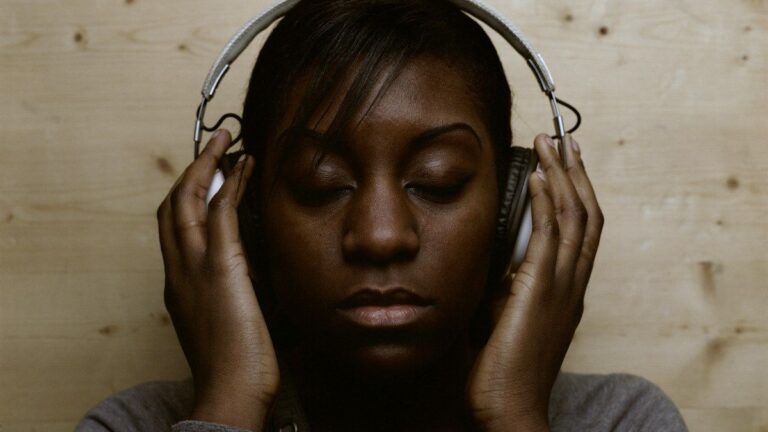
Spotify data puts the age your taste sets at 13 or 14, and your parents’ records may have sneaked into the same file.

Unbidden memories surface several times a day. The embarrassing ones sting hardest, and a short self-kindness exercise can take the heat out.