
Your Body Clock Isn’t Lazy: 351 Genes Help Decide Whether You’re a Night Owl
In one trial, owls moved their sleep two hours earlier in three weeks without losing any sleep, and felt less stressed.

In one trial, owls moved their sleep two hours earlier in three weeks without losing any sleep, and felt less stressed.
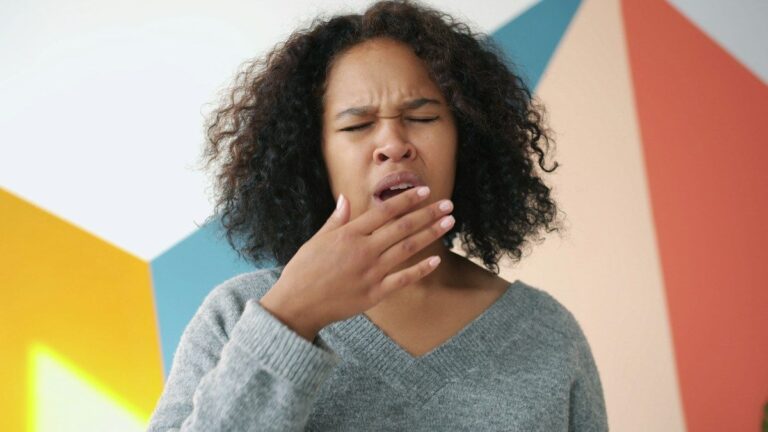
One study made people yawn with a magazine article. Another made them stop with a cold pack. Here is what the evidence really says.
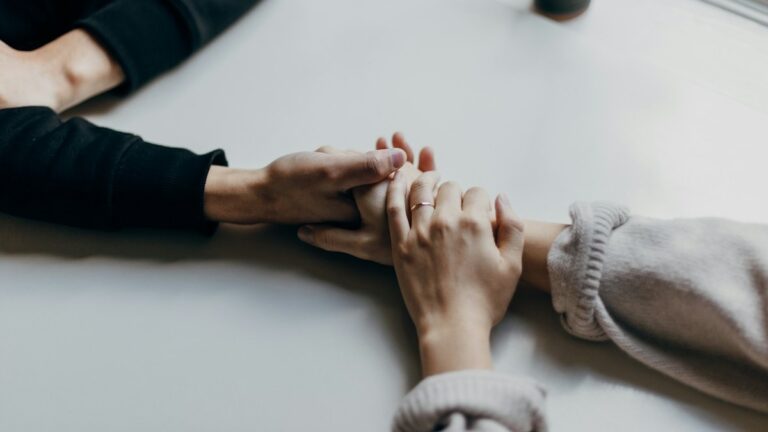
Researchers have tested the book’s three big promises. The part that survives is simpler, warmer and doesn’t need a quiz.
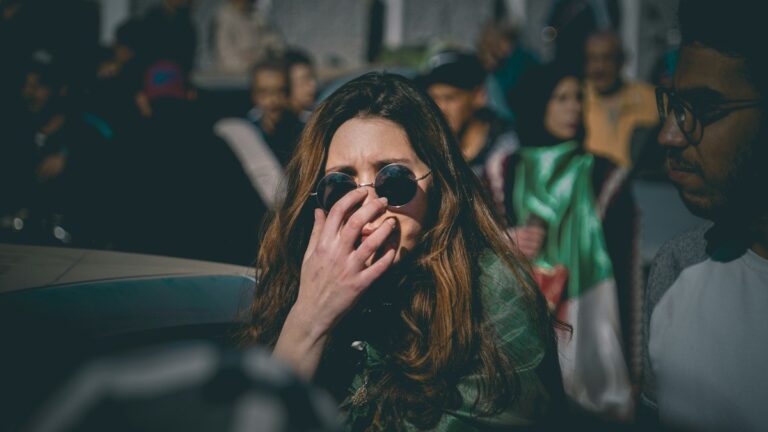
From a Barry Manilow T-shirt to your face in the corner of a Zoom call, 25 years of research shows how little others clock, and how to dim the glare.
A 2025 review of nearly a century of studies found no memory boost for unfinished tasks, but a 67% pull to go back. Here’s how to quiet it.
A 2025 review of 642 tests says if-then plans still work, just less dramatically than the famous studies suggest. Here’s when they fail.

Gym visits jump 47% when a new term starts. Newer studies show when that reset works, when it fizzles, and how to make your own.
New data from 30,000 gym-goers and 2,601 volunteers shows why some habits stick in weeks and others take most of a year.

Criticism, contempt, defensiveness, stonewalling: what 2024 to 2026 research adds on texting rows, racing hearts and repairing the damage.

Older adults who went looking for wonder once a week felt more gratitude and less daily distress. You can try the same walk on a city street.