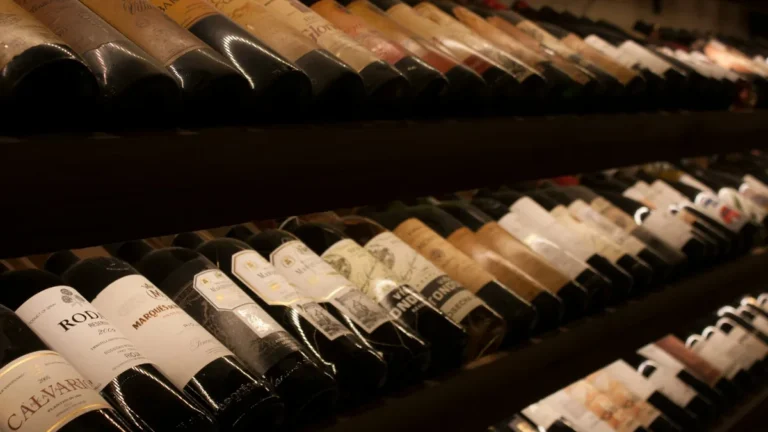
Why Expensive Wine Tastes Better: What 6,000 Blind Ratings and a Brain Scanner Reveal
The same wine tastes nicer when people think it cost more. Here is what the research shows, where it wobbles, and how to use it when you shop and host.

The same wine tastes nicer when people think it cost more. Here is what the research shows, where it wobbles, and how to use it when you shop and host.

Economists call it the commuting paradox: we accept long journeys for better pay or homes, then quietly pay for them in mood, free time and job satisfaction.
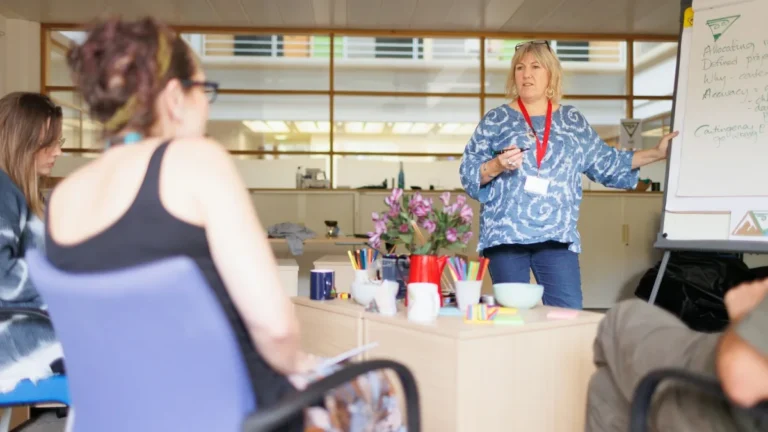
Most teachers still believe people learn best in their own “style”. Tests of that idea keep coming up short, while plainer study habits quietly win.
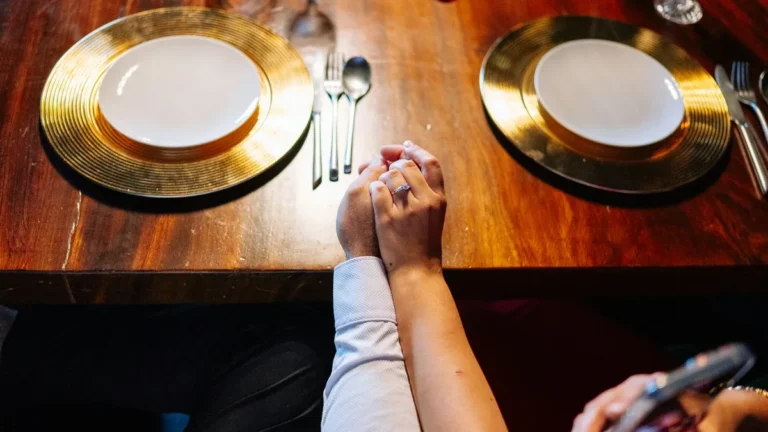
A 12-year gap can turn brunch into a cross-examination. Here is what panel data, divorce surveys and census figures say about couples born years apart.

Close your eyes and picture an apple. For a few people, nothing appears at all. Ten years after scientists named aphantasia, here is what they have learned.

A famous Harvard study said fresher air doubled thinking scores. Later experiments muddied the picture. Here is what stale indoor air really does to your head.
One large trial found fewer sick days but no fewer illnesses. A 2025 review found a short dip in stress. Here is what cold water can and cannot claim.
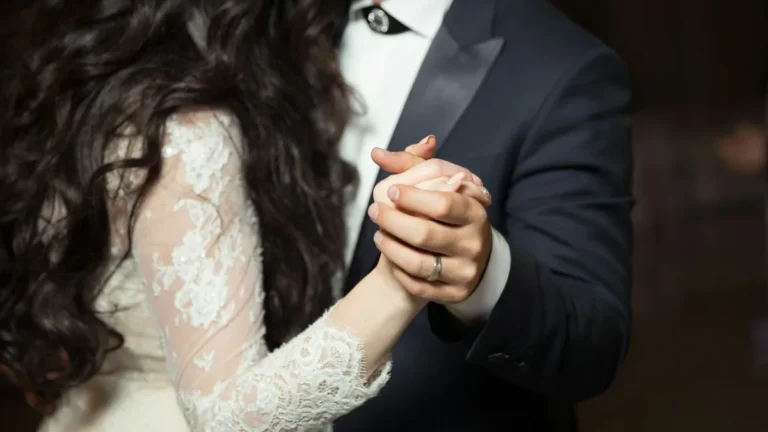
For most of the last century, your friends played matchmaker. Then a phone took the job. What the research says about how couples meet, and whether it matters.
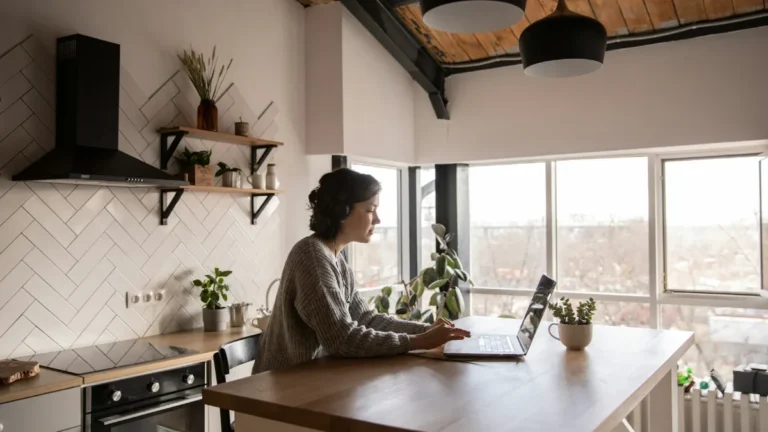
Bosses say the office is where real work happens. Staff say they get more done at home. The best experiments suggest both camps are only half right.

You can tune out a hundred voices and still catch your own name from across the room. The science of how, and why only some of us do, is stranger than it sounds.